
Stone Tape Theory: A Debate on the Imprint of History
- paranormalovertone
- Jun 9, 2024
- 3 min read

Updated: Feb 7, 2025
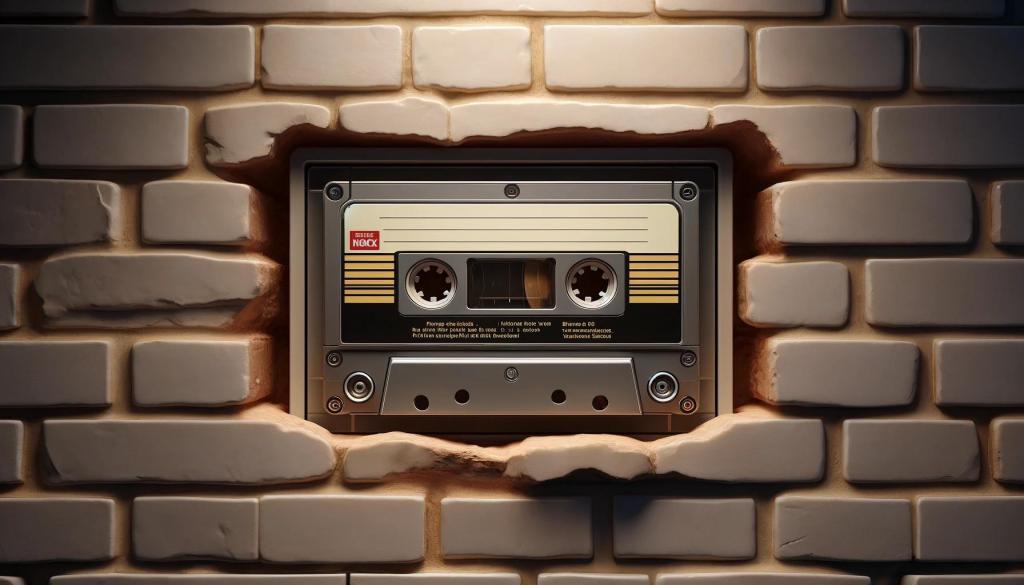
Stone Tape Theory is a concept that has fascinated both paranormal enthusiasts and skeptics since its inception. First proposed in the 1970s, the theory suggests that inanimate materials, particularly stones and buildings, can absorb and later replay the energy from traumatic or significant historical events. This replay is believed to manifest as ghostly apparitions or other paranormal phenomena. While the theory is compelling, it remains controversial and is surrounded by both strong support and vigorous opposition.
The Origins of Stone Tape Theory
Stone Tape Theory was popularized by “The Stone Tape,” a British TV play written by Nigel Kneale. The play depicts a research team discovering that a stone room in a mansion records and replays a traumatic event. Since then, the theory has taken on a life of its own within the field of paranormal research.
Arguments in Favour of Stone Tape Theory
1. Anecdotal Evidence and Case Studies
Proponents of Stone Tape Theory often cite numerous anecdotal accounts and case studies where ghostly apparitions seem to be tied to specific locations with a history of trauma or significant events. For instance, places like the Tower of London, Gettysburg Battlefield in the US, and various old castles and mansions around the world are frequently reported as haunted. These reports often include sightings of apparitions, unexplained sounds, and other phenomena that seem to replay historical events.
2. Energy Imprints
Supporters argue that significant emotional or traumatic events can leave behind energy imprints. According to this view, certain materials, especially those that are crystalline in nature, such as quartz or limestone, have the capacity to absorb and store this energy. Over time, under the right conditions, this stored energy can be released, resulting in the replay of a past event.
3. Resonance and Frequency Theories
Some scientists and researchers propose that resonance and frequency play a role in Stone Tape Theory. The idea is that certain frequencies can activate the stored energy in the materials, similar to how a tuning fork can resonate with a particular pitch. This concept aligns with studies in physics and acoustics, where resonance can cause materials to vibrate and produce sound or other effects.
4. Psychological Comfort
For many, Stone Tape Theory offers an idea that provides comfort and meaning to unexplained experiences. The idea that historical events can leave a tangible mark on the environment allows people to connect with the past in a profound way, bridging the gap between past and present.
Arguments Against Stone Tape Theory
1. Lack of Scientific Evidence
One of the main criticisms of Stone Tape Theory is the lack of scientific evidence supporting the concept. While anecdotal evidence is plentiful, it does not meet the rigorous standards of scientific proof. Critics argue that no controlled experiments have demonstrated that materials can store and replay historical events.
2. Alternative Explanations
Sceptics suggest that many of the phenomena attributed to Stone Tape Theory can be explained by more mundane factors. Psychological factors, such as suggestion, expectation, and the power of the human imagination; can lead people to perceive ghostly apparitions and paranormal events. Environmental factors, including drafts, structural settling, and even infrasound (low-frequency sound waves that can cause feelings of unease), can also account for many reported hauntings.
3. Misinterpretation of Residual Hauntings
Critics also point out that what is often described as a replay of past events could be residual hauntings, where the environment retains an “echo” of human activity. However, this interpretation does not require a complex energy storage mechanism. Instead, it could be the result of natural environmental changes, acoustics, and most of all human perception.
4. Technological Limitations
Despite advances in technology, there has been no successful recording or replication of the phenomena described by Stone Tape Theory in a laboratory setting. This lack of technological validation raises questions about the validity of the theory.
In Conclusion
Stone Tape Theory remains a captivating idea that sits at the convergence point of history, psychology, and the paranormal. While it offers an intriguing explanation for ghostly phenomena, it lacks the wider support needed to be accepted as scientific fact (as much within the paranormal sphere does). The debate over Stone Tape Theory highlights the broader struggle between belief and scepticism in the field of paranormal research and the unexplained.
Ultimately, whether someone subscribes to Stone Tape Theory or not may depend on personal experiences and openness to the mysteries of the unknown. As research continues and technology advances, perhaps one day we will have a clearer understanding of the strange phenomena that continues to captivate the imagination.


Comments