
Theology Thursday: the Japanese Yūrei
- paranormalovertone
- Feb 15, 2024
- 3 min read

Updated: Feb 7, 2025
In many countries around the globe, the deceased are of great significance, this is no different in Japan.
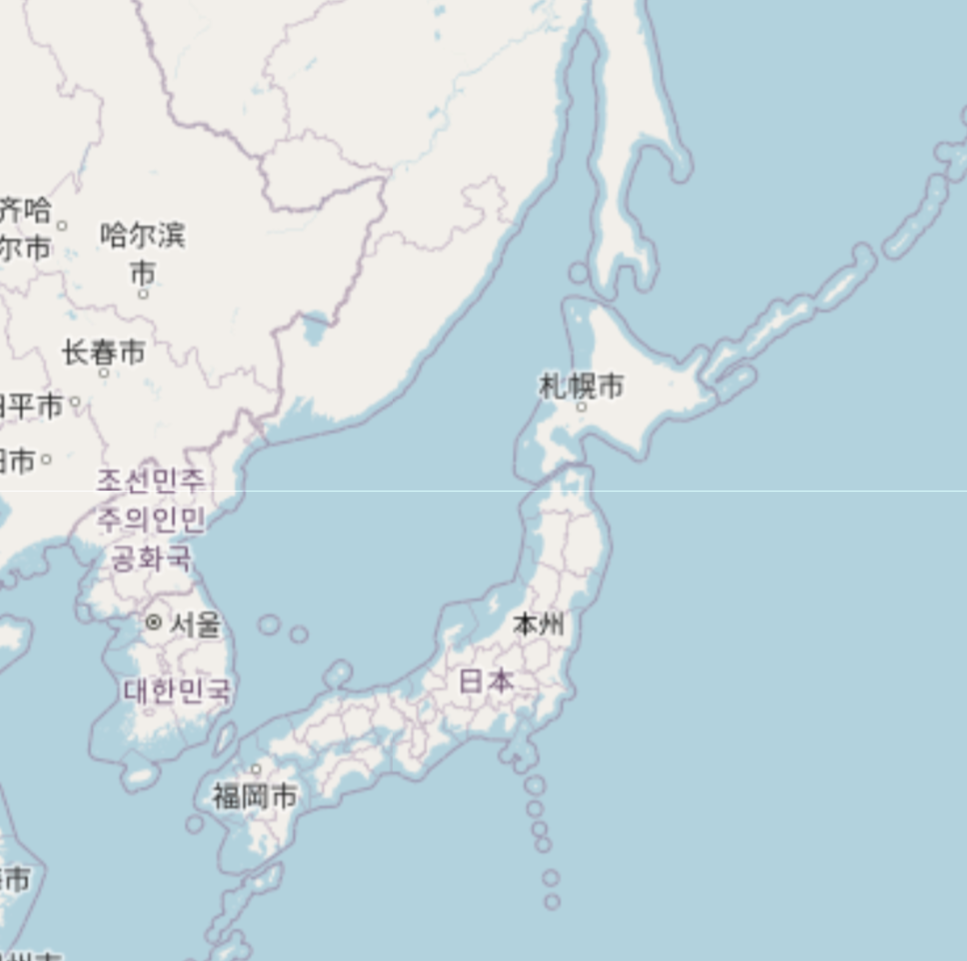
In the Shinto religion, when a person dies their soul travels to the yominokuni which is the Shinto equivalent of Heaven. In Buddhism, souls travel to the pure land of anoyo. But what happens if the souls are intercepted or encounter issues on their way to their final resting place? Well, according to Japanese folklore, they may well turn in to Yūrei.
Yūrei are the wandering ghosts of Japanese folklore, and stories of them continue to this day. As we alluded to earlier, Japan is no different to other countries around the world when it comes to honouring their dead. Much in the same way that Mexico celebrate their day of the dead, a time honoured tradition given a 21st century spin in the film ‘Coco’, Japan has the Obon Festival, one of the most notable dates in the Japanese Buddhist calendar.
During the Obon Festival, families gather to honour the memory of their ancestors, lanterns are lit outside homes to guide ancestors to their families, graves are visited, feasts are had and offerings are made to the departed souls. At the end of the festival, lanterns are placed in seas and rivers so as to safely guide the spirits back to their world.
Death in Japanese religion is much different to how the Western religions perceive it, for instance, in Shinto, we don’t have souls, our bodies are vessels for gods. Upon death the god frees itself from our body and it is this entity which needs to reach the afterlife, to help the spirit along living relatives will watch over the body of a deceased relative in the hopes that they will help guide them to the afterlife.
Most spirits (or gods) will reach the afterlife with little to no concern, however those with unfinished business, those who died and unnatural death or those where the familial ceremonies weren’t performed or executed very well, may indeed become Yūrei, unable to rest until all of their earthly matters are settled and brought to a close.
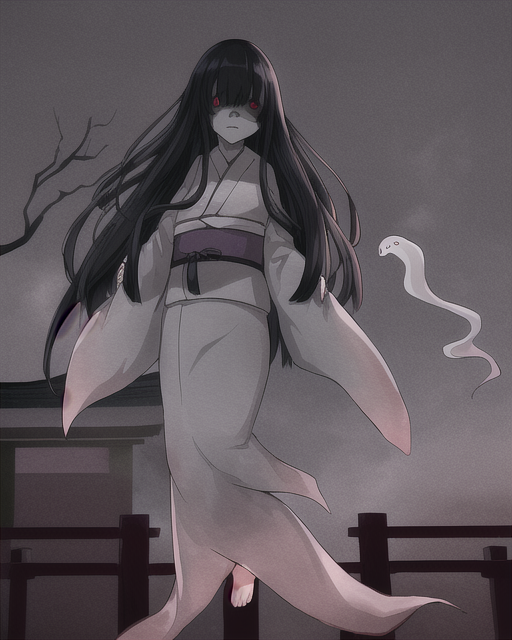
As for the appearance of the Yūrei, they are described as “a human shape without feet, they have long black hair and wear a white kimono” does that ring any bells with anyone? (Although the description of the Yūrei is similar to that of Sadako Yamamura in the popular horror film ‘The Ring’, Sadako is presented as a specific type of Yūrei; an Onryō).
Which leads us nicely on to the types of Yūrei, of which we’ll touch upon a couple. As alluded to above there are the Onryō, these are spirits who are vengeful spirits who died bearing anger towards someone (or something) and still harbour that grudge. There are the Kosodate Yūrei these are the spirits of Women who have died during childbirth and their spirits return to the earthly realm to look after their children (kind of heartwarming, in an eerie, weird “why is the baby being cradled by a ghost?!” Sort of way).
Additionally there are the Jibakurei, “normal” Yūrei can sometimes be contacted and communicated with, and in some instances the living can even help them with their unfinished business. The Jibakurei however, won’t move on; they are tied to a specific place, a geographic lock for eternity. In some communities in Japan, Jibakurei are the most feared spirits as they are believed to be cursed and furthermore, able to curse those who they encounter.
Finally, there are the Funa Yūrei, these Yūrei are specific to those lost at sea (which loops back to our earlier post discussing whether there are ghosts at the bottom of the sea, you can read that here).
Regardless of the type of Yūrei, the Japanese have always been very cautious when it comes to the dead or soon-to-be dead. It is customary in Japan that on the death of an Emperor the new royal court assembles in a new palace entirely, so the Yūrei of their predecessor cannot influence things. It is even said that the Samurai tradition of Harakiri/Seppuku (the disemboweling of One’s self) upon defeat was so that the defeated Samurai could “die with honour” i.e. they went out on their terms but secondly, meant that the victors weren’t concerned with Yūrei (or possibly Onryō/Jibakurei) after the battle.
So there we have it, a very brief overview of the Yūrei – be sure to look after the god inside of you and they in turn will look after your family in time to come.


Comments