
Theology Thursday: The Gjenganger of Scandinavia.
- paranormalovertone
- Feb 1, 2024
- 2 min read

Updated: Feb 7, 2025
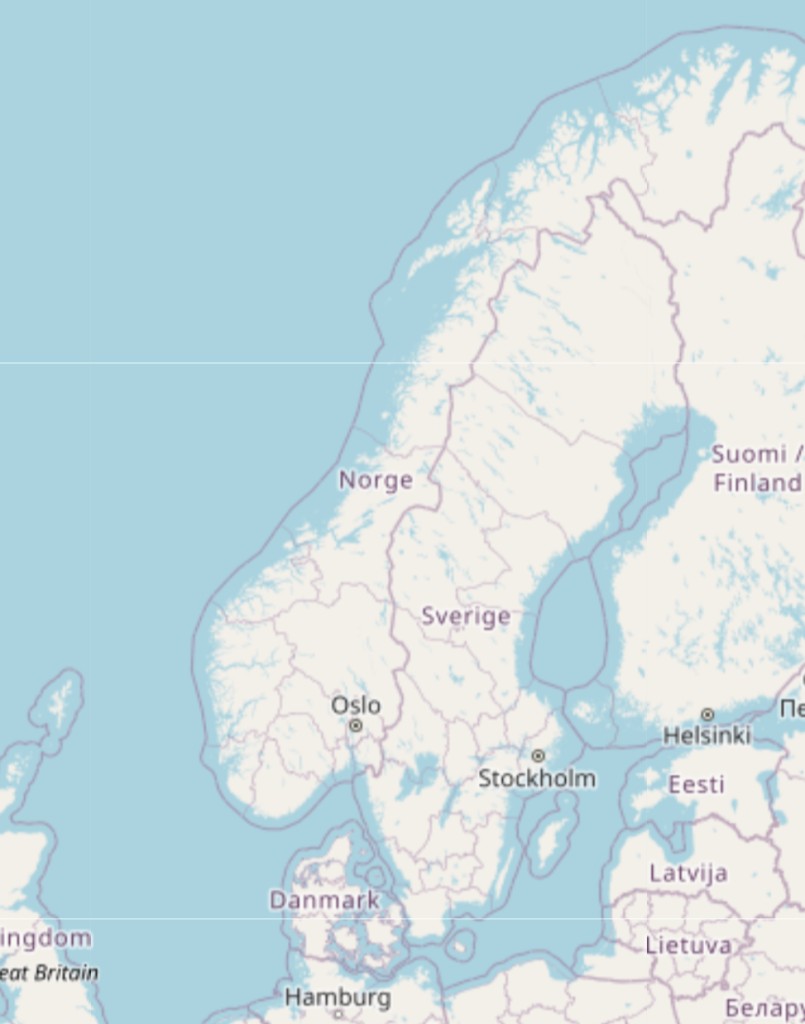
Before Christianity spread across Europe, there were numerous “pagan” religions, one which I have always had interest in, is Norse Paganism from across Scandinavia and that is where the origins of the Gjenganger lie.
Featuring in not one but 3 Icelandic Sagas (The Saga of Eric the Red, Eyrbyggja Saga and Grettis Saga). It is posited that Gjenganger could be one and the same as the Draugr, though over 1000 years after the fact, there would be no way to corroborate or confirm this.
Sightings of the Gjenganger described them not as ethereal or spirit-like but instead as corporeal beings, bone and flesh with skin drawn across it as tight as a drum, putting Gjenganger in the middle ground between ghost and zombie. If we look at the etymology of the word, Gjenganger, it would mean something like ‘walking again’ with ganger being derived from the word for foot or walking and gjen most likely being similar to the German “gegen” (if you’re in to your football, Gegenpress literally means “press again” i.e. put pressure straight back on your opponent) or “gegn” meaning straight or direct.

The Gjenganger were often believed to have unfinished business which sometimes would require the assistance of another to resolve, Gjenganger were often linked to more gruesome deaths such as victims of murder, murderers themselves or souls who had made the conscious decision to end their own lives.
Following the spread of Christianity across Europe and Scandinavia, the idea of the Gjenganger remained though now, new ideas about how to ward them away were brought in to play. Where historically doors may have been adorned with small animal bones and the like, to ward away evil, now a more Christian ideology came to the fore. Some examples of how to prevent the deceased from returning as a Gjenganger included: carrying the coffin three times around the church before it was buried, the use of crucifixes and Christian incantations and also the painting of symbols around the home, most notably the crucifix.
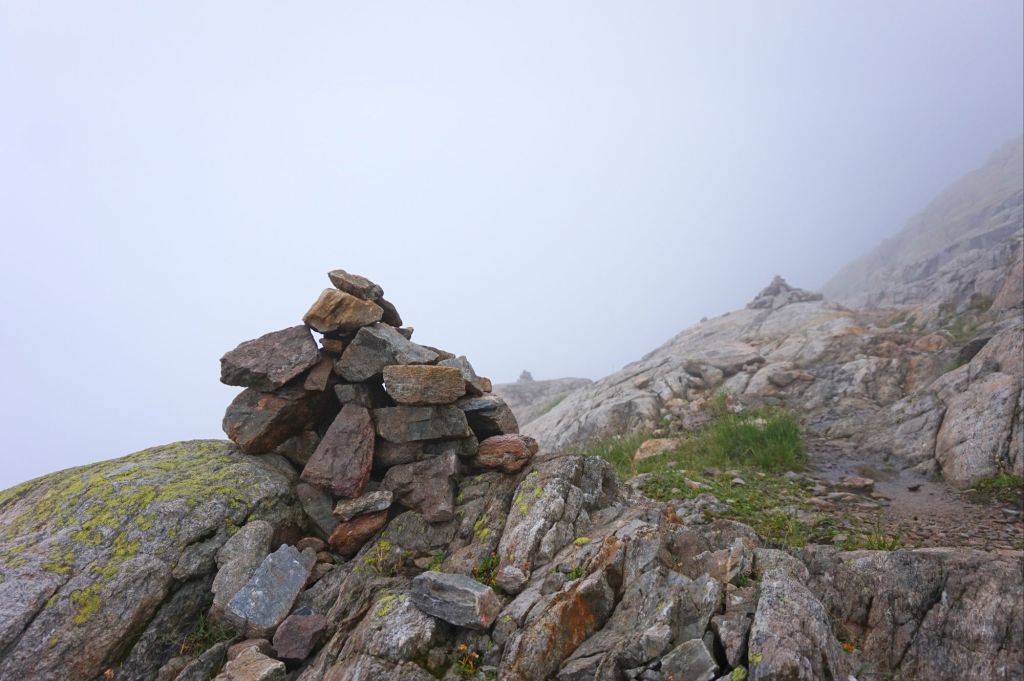
Something intertwined with Gjenganger both in pre and post Christian Scandinavia, is the varp, a varp is a small mound of stones and/or twigs used to mark not a place of burial, but a place of death. It was a commonplace belief that adding a stone or twig to the varp helped commemorate what happened there and could possibly even bring good fortune.
In more modern times, the Gjenganger were seen as more violent beings and dubbed as disease spreaders, afflicting the unfortunate in their sleep with their dødningeknip (Dead man’s pinch) much in the same way the nøkken (Water spirits) or huldra (forest creatures) had done in older Scandinavian folklore, though these creatures favoured a bite to the face whilst One was awake (no thanks!).
More recently Gjenganger is used less and doesn’t really have any marked difference when used from the synonymous spøkelse (Norwegian), spøgelse (Danish), spöke (Swedish) or vofa (Icelandic).
Could the Gjenganger have been Viking era zombies? Skinwalkers? Restless souls with unfinished business? Or have they always been as they are today; just your normal, run of the mill ghost?
We’ll let you decide.


Comments